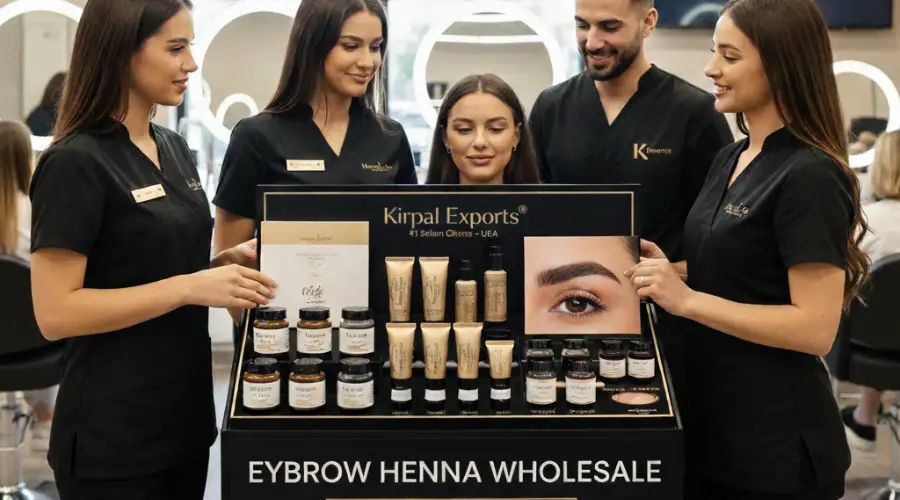


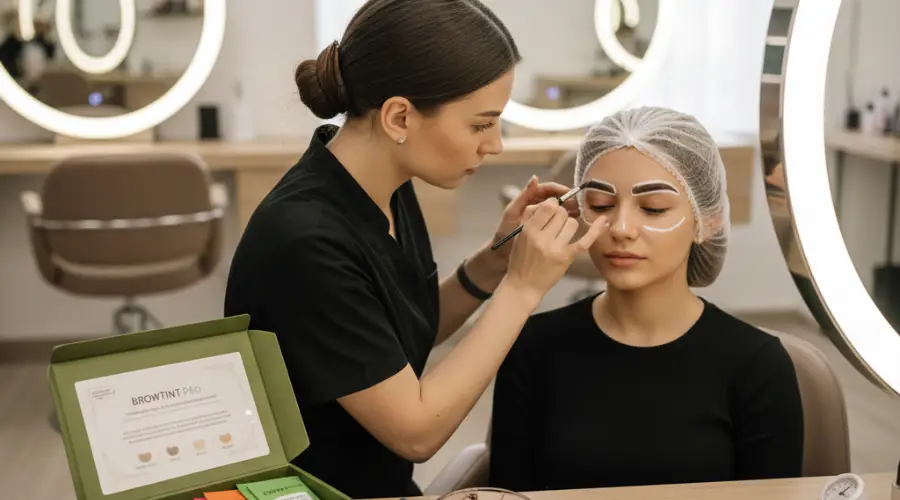
In the dynamic beauty industry, eyebrow henna has become a staple for salons seeking natural, long-lasting brow enhancements. As a beauty business owner, partnering with the right eyebrow henna distributor can elevate your services, boost client satisfaction, and improve profitability. With the market flooded with options, making an informed choice is essential to avoid subpar products that could harm your reputation. This comprehensive guide outlines how to choose the ideal distributor, covering everything from assessing your needs to finalizing a partnership. By following these steps, you’ll secure a reliable supplier that supports your growth and keeps your shelves stocked with premium henna.
Define Your Business Requirements
Before scouting distributors, clarify what your beauty business demands. This foundation ensures the chosen partner aligns with your operations.
Scale of Operations: Determine your size. A freelance brow artist might need small, flexible orders, while a busy salon chain requires bulk supplies. For example, if you perform 30+ henna applications weekly, prioritize distributors with high-volume options to prevent shortages.
Product Specifications: Identify must-haves like cone vs. powder forms, shade varieties (e.g., auburn for redheads or deep brown for brunettes), and special features such as caffeine-infused henna for brow growth. If your clientele includes sensitive skin types, seek hypoallergenic, organic-certified products.
Budget Constraints: Set a realistic budget. Wholesale henna prices typically range from 2.50 per unit. Calculate potential markups aim for a 200-300% profit margin per service to cover costs and ensure sustainability.
Client Demographics: Tailor choices to your audience. Trendy urban salons in Los Angeles might favor vibrant, customizable henna, whereas family-oriented spots in suburban areas could prefer simple, natural blends.
This self-analysis helps filter out unsuitable distributors early, saving time and resources.
Conduct Thorough Research on Distributors
Research is key to uncovering trustworthy options. Don’t rush spend time gathering data.
Online Searches and Directories: Use search engines for “eyebrow henna wholesale distributors USA.” Platforms like ThomasNet or beauty-specific sites offer vetted lists. Check for U.S.-based suppliers to minimize import delays and costs.
Industry Recommendations: Join beauty forums on Reddit (e.g., r/Salon or r/BeautyBusiness) or LinkedIn groups for peer advice. Attend virtual trade shows like the International Beauty Show for networking and firsthand insights.
Social Proof and Reviews: Examine ratings on sites like Yelp, Trustpilot, or the Better Business Bureau. Look for consistent 4.5+ star reviews, focusing on product quality, delivery speed, and issue resolution. Avoid distributors with frequent complaints about faulty batches.
Certifications and Compliance: Verify if suppliers adhere to FDA guidelines or have GMP (Good Manufacturing Practices) certifications. This ensures safety and legality, protecting your business from liabilities.
Gather at least 5-10 potential distributors to compare effectively.
Evaluate Essential Criteria for Quality and Reliability
With a shortlist, assess each distributor against core criteria to ensure they meet professional standards.
Product Quality and Safety
Quality directly impacts client outcomes and your brand’s credibility.
Ingredient Purity: Opt for henna sourced from reputable regions like India or the Middle East, ensuring it’s 100% natural Lawsonia inermis. Test for contaminants through lab reports if available.
Certifications: Prioritize organic, vegan, and cruelty-free labels. For instance, distributors offering EU-compliant henna appeal to eco-conscious clients and reduce allergy risks.
Consistency and Testing: Request product samples to evaluate shade stability and ease of mixing. High-quality henna should provide even, fade-resistant results without irritation.
Pricing Structure and Value
Affordable yet fair pricing is vital for profitability.
Wholesale Rates: Compare unit costs e.g.,
0.90 for 200. Factor in volume discounts; larger orders often yield 20-30% savings.
Additional Fees: Account for shipping (aim for free over $100), taxes, and potential returns. Transparent pricing without hidden charges is a plus.
Payment Flexibility: Look for options like credit terms or PayPal to manage cash flow, especially for startups.
Supply Chain and Logistics
Reliability prevents disruptions in your services.
Delivery Times: Choose distributors with 3-7 day U.S. shipping. International options might save money but risk customs delays stick to domestic for speed.
Inventory Availability: Ensure they stock popular items year-round, with alerts for backorders. Scalable suppliers can handle increased demand during peak seasons like summer.
Sustainability Practices: Eco-friendly distributors using biodegradable packaging or fair-trade sourcing align with modern beauty trends, enhancing your marketing.
Support and Resources
Exceptional support differentiates top distributors.
Educational Materials: Seek providers offering free training videos, application guides, or virtual workshops to train your staff on henna techniques.
Customer Service: Test responsiveness via email or chat. Reliable ones resolve queries within 24 hours and provide dedicated account managers for larger businesses.
Extras and Perks: Bonuses like promotional kits, free samples, or co-branded marketing tools add value and can boost your sales.
Compare Distributors and Make a Selection
Once evaluated, create a pros/cons list or spreadsheet for each candidate.
Weigh Trade-Offs: For example, Distributor X might have lower prices but slower shipping, while Y offers premium quality with robust support. Score them on a 1-10 scale for each criterion.
Trial Runs: Place small test orders (e.g., 10-20 units) to assess real-world performance, including packaging integrity and product efficacy.
Negotiate Terms: Discuss custom agreements, such as exclusive pricing or bundled deals. Building a long-term relationship often leads to better terms.
Select the distributor that best matches your priorities perhaps one excelling in quality for a luxury salon or cost-efficiency for a budget-focused operation.
Avoid Common Pitfalls in Distributor Selection
Even seasoned owners can err; steer clear of these.
Rushing Decisions: Hasty choices based on ads alone can lead to poor-quality henna. Always verify claims with independent reviews.
Ignoring Scalability: Pick partners that can grow with you; avoid those with high minimums if you’re expanding gradually.
Overemphasizing Cost: The cheapest option might cut corners on safety, resulting in client complaints or regulatory issues. Balance affordability with quality.
Finalize and Maintain the Partnership
After selection, formalize with a contract detailing terms, then nurture the relationship.
Onboarding and Monitoring: Use initial shipments to train staff and track performance. Schedule quarterly check-ins to address any issues.
Backup Plans: Have a secondary distributor ready in case of supply chain disruptions.
Feedback Loop: Share client feedback to help the distributor improve, fostering loyalty.
Secure Your Beauty Business’s Future with the Right Distributor
Choosing the right eyebrow henna distributor is a strategic decision that can transform your beauty business. By understanding your needs, researching thoroughly, and evaluating key factors like quality, pricing, and support, you’ll partner with a supplier that delivers consistent, high-quality products. In an industry where trends evolve rapidly, the right henna can keep your clients coming back for more. Start your search today, and position your salon as a leader in natural brow artistry. With the perfect distributor, your business will not only survive but thrive.