

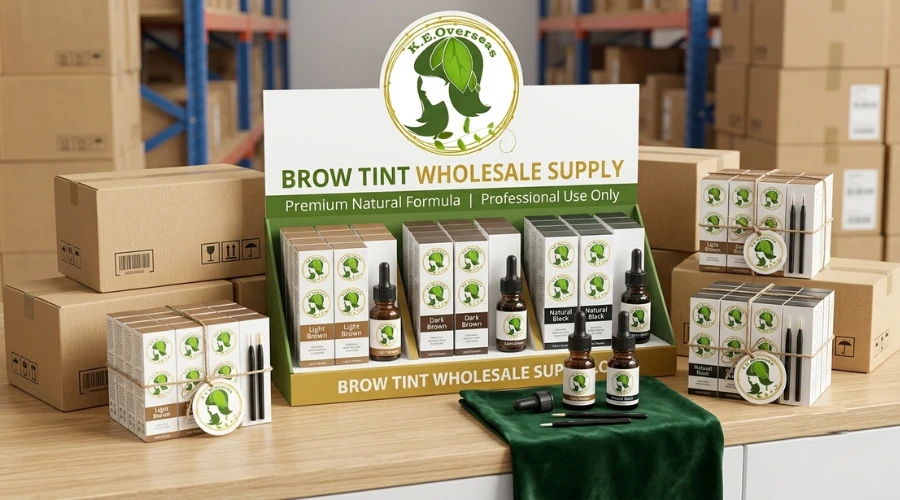
Brow tinting isn’t a trend anymore it’s a staple. Walk into almost any salon or brow bar and you’ll find it on the service menu, right next to lamination and microblading touch-ups. If you’re a salon owner, a distributor, or someone building a beauty product line, chances are you’ve already started looking into eyebrow tint wholesale options.
But here’s the thing: not all tint is created equal, and buying in bulk without understanding the formulas, safety standards, and supplier landscape can cost you more than money. It can cost you client trust.
This guide breaks down exactly what to look for before you place a bulk order from choosing the right formula type to vetting eyebrow tint manufacturers who actually stand behind their product.
Why Demand for Brow Tint Keeps Climbing
Brows have quietly become one of the most requested beauty services out there. Between the rise of “soap brows,” laminated brows, and the ongoing popularity of henna brows, tinting has become almost a default add-on rather than a specialty service.
A few reasons this category keeps growing:
- Clients want low-maintenance definition without daily makeup
- Tinting pairs naturally with other brow services like shaping and lamination
- Henna-based tints in particular appeal to the clean beauty, natural-ingredient crowd
- Home-use brow tint kits have opened up a whole new retail market
For salons, this means steady repeat business. For product brands, it means there’s real opportunity in stocking or private-labeling tint. Either way, sourcing the right supplier matters more than people expect going in.
Types of Eyebrow Tint You’ll Come Across
Before contacting suppliers, it helps to know the difference between the main categories on the market. They’re not interchangeable, and mixing them up leads to disappointed clients.
Traditional cream or gel tint. This is the classic salon formula, usually oxidative, meaning it requires a developer to activate the color. It stains both the hair and, lightly, the skin underneath. Results typically last one to three weeks.
Henna brow tint. Unlike traditional tint, henna brows stain the skin more intensely and the hair less intensely, which creates that fuller, “microbladed” look many clients ask for by name. Henna-based products have surged in popularity because they’re plant-derived and appeal to people avoiding harsher chemical dyes.
Semi-permanent tint pens and kits. Designed more for retail and at-home use, these are lower commitment but also lower staying power.
If you’re deciding what to stock, think about your customer first. A salon focused on natural, low-chemical services will want a strong henna brows manufacturer relationship. A high-volume brow bar might lean more on traditional tint for speed and consistency.
What Separates Good Tint From Mediocre Tint
Once you know the category you need, quality becomes the next filter. A few things genuinely matter here, and they’re worth asking suppliers about directly.
Pigment concentration – Cheaper tints are often diluted, meaning you need more product per application and results fade faster. Ask for the pigment percentage or at least a realistic estimate of how long the stain holds.
Ingredient transparency – This matters both for client safety and for regulatory compliance. If a supplier can’t clearly list what’s in their formula, that’s a problem not a technicality.
Patch test compatibility – Any tint, henna or chemical, should be sold with clear patch-testing guidance. Reputable eyebrow tint manufacturers will provide this documentation without you having to ask twice.
Consistency across batches – This is something you can only really judge after ordering a sample or two. Color that shifts noticeably from batch to batch is a sign of inconsistent manufacturing.
Shelf life and storage requirements – Tint, especially henna-based tint, can lose potency if stored improperly or held too long before use. Ask about expiration timelines upfront.
Finding Reliable Eyebrow Tint Distributors
This is usually where people get stuck. There’s no shortage of listings online, but figuring out who’s actually reliable takes a bit more digging.
Start with samples, not bulk orders
This can’t be overstated. Order a small batch first, test it on a few clients or team members, and evaluate the stain, texture, and how easy it is to work with. Any distributor unwilling to send samples before a large order isn’t one you want to build a long-term relationship with.
Ask about manufacturing origin
Some distributors are simply reselling product made elsewhere, sometimes without full knowledge of the original formulation. Others work directly with manufacturers and can answer detailed questions about sourcing and production. Direct relationships usually mean better pricing and more consistency.
Verify certifications
Depending on your region, brow tint may fall under cosmetic regulations that require specific certifications or safety testing. Ask distributors for documentation things like ingredient safety data sheets or compliance certificates for the markets you sell into.
Compare pricing structures, not just unit price
Some eyebrow tint distributors offer better pricing at higher minimum order quantities, while others are more flexible for smaller businesses. Factor in shipping, minimum order size, and reorder flexibility, not just the sticker price per unit.
Check how they handle henna specifically
If henna brows are part of your offering, ask pointed questions: Where is the henna sourced? Is it tested for purity? Does it contain any metallic salts or additives? A trustworthy henna brows manufacturer will answer these without hesitation, often with lab results ready to share.
Domestic vs. Overseas Sourcing
Similar to other beauty product categories, you’ll generally choose between local distributors and manufacturers overseas, often based in regions with strong henna and pigment production, like parts of South Asia.
Overseas sourcing, particularly from established eyebrow tint manufacturers with export experience, can mean lower unit costs and access to specialized formulas like traditional henna brow tint. The tradeoff is longer shipping times and the need to navigate import regulations for cosmetic products.
Domestic distributors typically cost more per unit but simplify everything else faster turnaround, easier communication, and more straightforward returns if something goes wrong. For businesses just getting into brow tinting, this route often makes more sense until order volume justifies going direct.
Mistakes to Avoid When Buying in Bulk
A few missteps come up again and again with first-time bulk buyers:
Skipping the patch test conversation. Even natural, henna-based tints can cause reactions in some clients. Make sure your supplier provides clear testing guidance, and build patch testing into your own service protocol.
Overordering before quality is confirmed. It’s tempting to save money with a larger first order, but a small trial run protects you from being stuck with product that underperforms.
Not asking about color range consistency. Tint that photographs differently than it applies, or varies shade to shade, creates real problems for client satisfaction.
Choosing price over documentation. A slightly cheaper tint isn’t worth it if the supplier can’t provide ingredient lists or safety data when asked.
Buying eyebrow tint wholesale in 2026 comes down to a few core things: knowing which formula fits your clientele, insisting on ingredient transparency, and taking the time to properly vet suppliers before committing to bulk orders.